
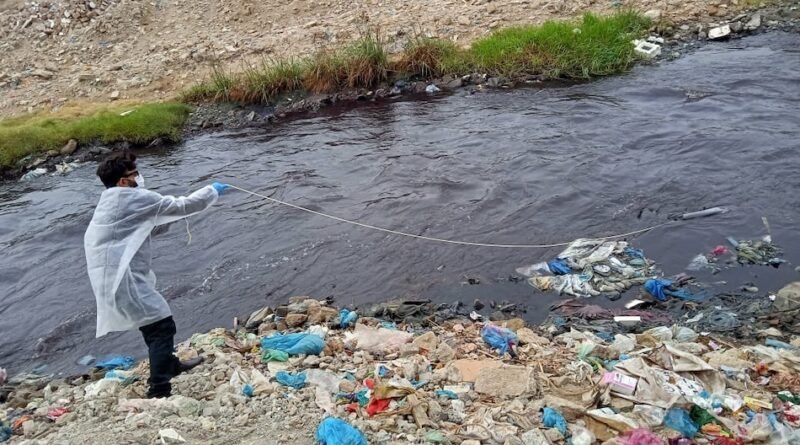
Pakistan Launches National Wastewater Surveillance System for Early Disease Detection
ISLAMABAD: Pakistan has launched its first national wastewater surveillance system, policy, and digital dashboard to strengthen early detection of infectious disease outbreaks and improve public health monitoring across the country. Developed through a collaboration between Aga Khan University (AKU), the National Institutes of Health (NIH), Duke-NUS Medical School Singapore, and the Asia Pathogen Genomics Initiative, the system analyzes sewage samples to detect the genetic material of disease-causing pathogens before outbreaks become apparent through routine clinical reporting.
According to AKU researcher Dr. Imran Nisar, wastewater surveillance can identify the circulation of pathogens responsible for diarrheal and respiratory illnesses, vaccine-preventable diseases such as polio, measles and hepatitis, as well as cholera, typhoid, tuberculosis, influenza, COVID-19, mpox, dengue, Zika virus, and antibiotic-resistant organisms. Federal Minister for National Health Services Syed Mustafa Kamal described the initiative as a valuable public health tool that complements clinical testing by providing early warning of potential disease outbreaks.
NIH officials said the new surveillance system builds on Pakistan’s established environmental surveillance network for polio, enabling the country to expand disease monitoring in a cost-effective manner. Initial findings from wastewater samples collected over seven months across several districts of Karachi showed strong signals of cholera and diarrhoea-causing bacteria. Health experts believe integrating wastewater surveillance with Pakistan’s national disease monitoring system will significantly strengthen outbreak preparedness, public health response, and disease prevention nationwide.