NA Committee Raises Alarm Over Wastewater Pollution in Islamabad’s Natural Streams
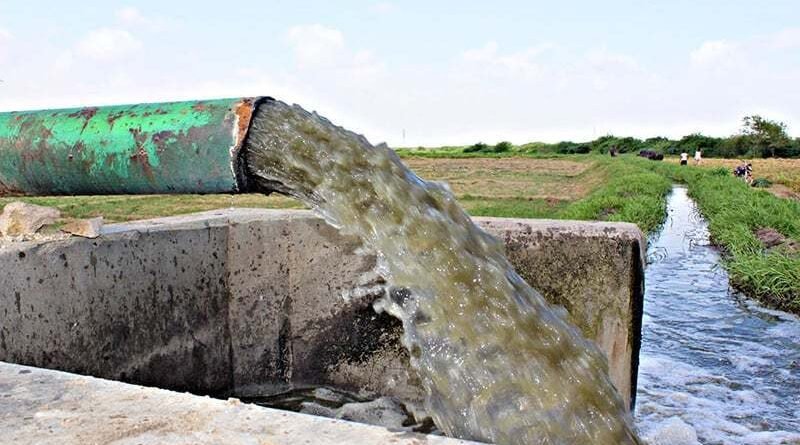
Islamabad: The National Assembly Standing Committee on Climate Change and Environmental Coordinationhas expressed serious concern over untreated wastewater being discharged into Islamabad’s natural streams, warning that water pollution and environmental degradation pose growing risks to the Islamabad Capital Territory (ICT).
The committee, chaired by Dr. Shazia Sobia Aslam Soomro, reviewed the environmental situation during a meeting attended by officials from the Ministry of Climate Change and Environmental Coordination and other relevant departments.
Officials informed the committee that action is being taken against illegal wastewater discharges and that a sewage treatment plant at Korang Nullah is under development to reduce pollution entering Rawal Dam, one of Islamabad’s key water sources.
The committee also discussed climate financing, green taxonomy, international partnerships, and the development of National Ambient Air Quality Standards, which are expected to be finalized later this year with technical support from the Asian Development Bank (ADB).
Federal Minister for Climate Change and Environmental Coordination Musadiq Malik briefed members on the ministry’s Public Sector Development Programme (PSDP) 2026–27, stating that despite fiscal constraints, priority is being given to nationally significant projects, including air quality initiatives and the development of a botanical garden through potential private-sector partnerships.
The committee was informed that several environmental projects have recently been completed, including the establishment of the Pakistan Biosafety Clearing House and the operationalization of water quality laboratories under the WASH Programme.
During the meeting, the Ministry of Industries and Production also presented Pakistan’s Electric Vehicle (EV) Policy, highlighting incentives for electric two- and three-wheelers, expansion of charging infrastructure, localization of EV manufacturing, and battery recycling initiatives.
Committee members sought details regarding EV charging stations, affordability, battery recycling mechanisms, incentives for manufacturers, and the long-term sustainability of Pakistan’s transition to electric mobility.
Officials informed the committee that more than 100 licensed EV charging stations have already been approved and that all new petrol stations in Islamabad will be required to install EV charging facilities. A national battery recycling framework has also been prepared and is awaiting approval.
The committee further directed the ministry to submit detailed briefings on Pakistan’s biosafety and GMO policy, provide information on certified vehicle emissions testing laboratories, and furnish a report on the legal boundaries of Margalla Hills National Park.