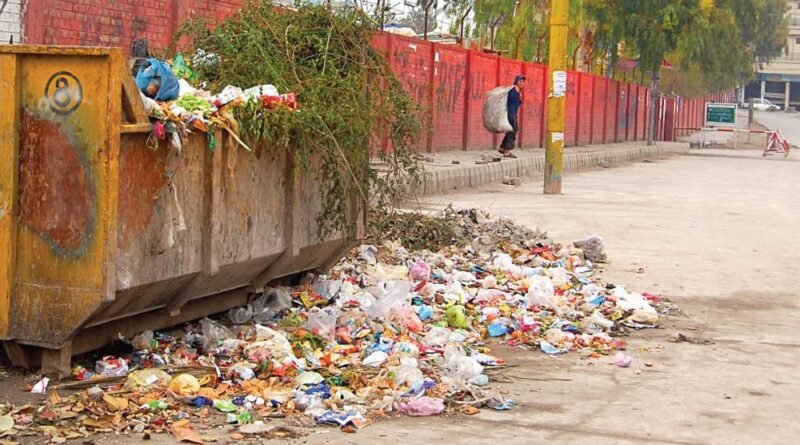
Punjab Approves Roadmap to Combat Pollution Through Stronger Waste Management and Enforcement
Lahore: The Punjab Pollution Enforcement Committee has approved a comprehensive roadmap to tackle environmental pollution across the province through sustainable waste management practices, stronger enforcement, and improved interdepartmental coordination.
The meeting, chaired by Senior Provincial Minister Marriyum Aurangzeb, reviewed major pollution sources, corrective measures, regulatory reforms, and mechanisms for coordinated action among relevant departments.
Officials presented plans for assessing pollution-causing sectors, preparing emission load inventories, and implementing a comprehensive waste management framework. The committee was informed that mapping of waste-generating units had been completed, including 125 slaughterhouses and 1,500 poultry farms.
The committee directed strict implementation of standard operating procedures for slaughterhouse waste management and reaffirmed the ban on fat-melting activities in residential areas.
Expressing concern over improper disposal of hospital waste, Ms Aurangzeb ordered legal action against healthcare facilities operating without proper incineration facilities.
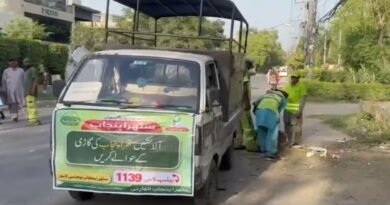
The committee maintained a zero-tolerance approach towards polluting units and was informed that 4,500 pollution-causing units had been dismantled over the past two years, including 550 removed during the previous week.
Officials also briefed the committee on actions against hospital waste units, tanneries, marble processing facilities, wood-cutting operations, and livestock-related activities.
The meeting was informed that 15 million fake and non-biodegradable cigarette filters had been responsibly disposed of, while over 550,000 plastic bags were removed from drains and waterways.
The committee approved measures for registering scrap dealers, documenting the waste value chain, and promoting recycling initiatives under a Waste-to-Wealth model.
The Green Punjab Certification Programme will be launched at the Union Council level along with a climate monitoring and field enforcement system.
Ms Aurangzeb directed departments to identify pollution sources within their sectors and develop strategies supporting circular economy initiatives through public-private partnerships. She also emphasised joint enforcement operations involving Local Government, WASA, Industry, Health, Livestock, and the Environmental Protection Agency.
The meeting further endorsed an action plan for Gulberg Drain, special awards for plastic-free brands, expanded awareness campaigns, and the organisation of a Provincial Environmental Conference in Lahore.